

Introduction: The Rising Impact of Financial Management Apps
Financial management apps play a crucial role in modern personal finance. They streamline expense tracking, budget planning, and investment oversight. As digital solutions replace manual spreadsheets, people gain more control over their money. Now, analyzing spending, monitoring investments, and receiving alerts from a mobile device is easier than ever. This marks a major leap in financial management. In today’s fast-changing world, those who adopt these apps quickly feel empowered. They make smarter and more informed decisions. Therefore, understanding how to use financial management apps—and why they matter—is essential for anyone aiming to reach financial goals in a competitive environment.
What Defines Financial Management Apps?
Financial management apps are specialized digital platforms that help users actively manage personal finances. These apps usually come as mobile or web-based tools. They offer core features such as expense categorization, income tracking, and real-time budget displays. Modern apps go beyond simple record-keeping. They connect to bank accounts, credit cards, and investment platforms to present a complete snapshot of your net worth. For example, Mint and YNAB focus on detailed budgeting, while Personal Capital excels at tracking investments and overall wealth.
Many financial management apps provide automated bill payment reminders, goal-setting modules, and predictive analytics. These features make them tools for insight, not just oversight. Their comprehensive dashboards aggregate data from multiple sources. As a result, users gain clarity across even complex financial portfolios. This innovation enables easy and regular check-ins with your money. Consequently, it supports strategic decision-making every day.
How Financial Management Apps Empower Investors
For investors at any level, immediate access to consolidated financial data is invaluable. Financial management apps act as centralized command centers. Users observe portfolio performance, assess risk, and track both short- and long-term goals. Integrations with banks, brokerages, and fintech platforms ensure seamless data flow and up-to-date insights.
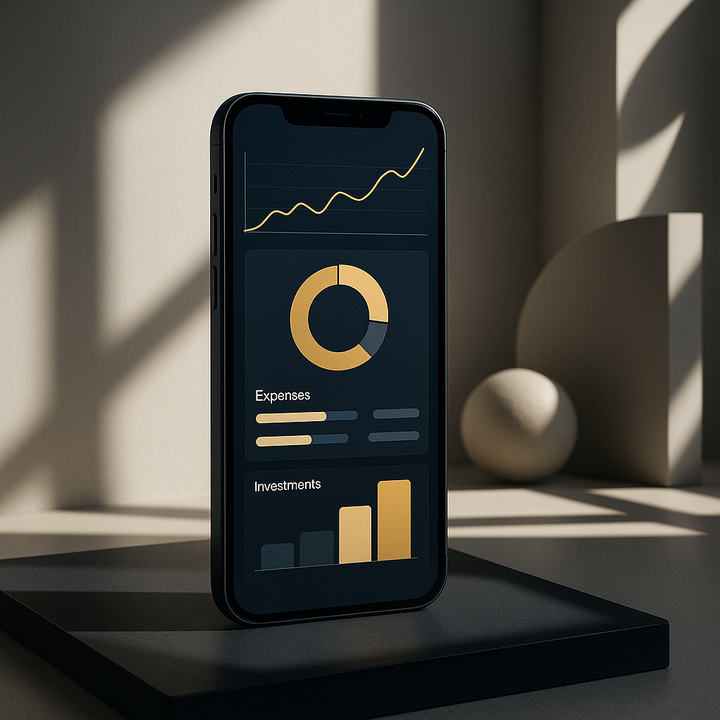
Investors visualize asset allocations, review past transactions, and measure returns through intuitive charts. By analyzing app-generated trends, users spot underperforming assets or disproportionate concentrations. This leads to strategic rebalancing and greater diversification. Top-tier financial management apps also support tax planning by exporting transaction histories and generating summary reports for advisors. Ultimately, these tools blend convenience with actionable intelligence. They enable anyone to manage investments confidently, even in volatile markets.
Practical Strategies to Maximize Financial Management Apps
To get the most from financial management apps, begin by defining your key objectives. Are you focused on controlling spending, improving savings habits, or monitoring investments? Choose an app that matches these needs. Always link all major financial accounts for seamless data aggregation. Most platforms now provide secure integrations for bank, credit, and investment data.
Set up recurring reviews—weekly for expense tracking or monthly for investments—to keep goals on track. Create custom alerts for budget overruns, bill due dates, or irregular deposits to stay proactive. Advanced apps offer features like scenario modeling, letting you preview the impact of changing savings rates or major expenses. Use exportable reports and dashboards to uncover patterns and inform better decisions over time. This disciplined, routine-driven use transforms financial management apps from simple trackers into strategic tools for building wealth.
Ensuring Security While Using Financial Management Apps
Despite many benefits, financial management apps require careful attention to security. Protecting your financial data starts with choosing apps that offer robust encryption, two-factor authentication, and clear privacy policies. Trust only apps with strong industry reputations, especially those compliant with standards like PCI DSS or GDPR.
Aggregating all accounts in one place increases risk. However, using unique passwords and enabling biometric logins can help keep information safe. Avoid apps that request unnecessary permissions or do not clearly explain data usage. Regularly update app security settings and avoid logging in from public networks. Remember, financial management apps work best when you balance convenience with vigilance. Reading the fine print and staying alert to new security features ensures long-term peace of mind.
Unlocking Opportunities Through Integrated Financial Platforms
Financial management apps now offer much more than tracking. New integrated platforms combine budgeting, investing, saving, and insurance within a single app. Open banking trends drive this change, letting users aggregate and compare products from multiple financial institutions through one interface. Artificial intelligence engines assess spending patterns, forecast cash flow, and suggest personalized adjustments. This helps identify ways to save, invest, or minimize fees.
Some financial management apps provide instant portfolio performance snapshots, diversification alerts, or tailored prompts for tax-advantaged strategies. Integration with emerging asset classes like crypto and real-time access to global stock exchanges allow broader diversification without extra complexity. Partnerships between fintech startups and legacy banks result in better rates, lower fees, and more innovation. Ultimately, the latest apps centralize everything modern users need for intelligent, autonomous money management.
Global Trends in Financial Management App Adoption
Financial management app usage has surged worldwide, especially among younger people who want real-time control and insight. According to Statista, over 60% of adults under 40 in the U.S. and Europe have at least one personal finance app. Emerging economies like Latin America and Asia show rapidly rising adoption rates, driven by mobile-first banking and accessible fintech solutions.
Survey data from Plaid shows users of financial management apps save 25% more and invest more regularly than those using manual methods. Banks now compete by embedding advanced budgeting and investment tools in their apps. Security incidents, while concerning, have led to greater transparency and tighter regulation across the fintech industry. Across markets, standard features now include seamless credit monitoring, actionable financial coaching, and open banking APIs. The result is a user-focused financial landscape defined by choice, accessibility, and constant innovation.
App-Driven Transformations: Success Stories
Real-world outcomes show the substantial value of financial management apps. For example, an investor with accounts across several brokerages can instantly see a consolidated dashboard. This helps identify when and where to rebalance. Couples or families use shared budgeting apps to coordinate bills and align spending with joint goals. This leads to fewer financial disputes and unexpected expenses.
Self-employed professionals reduce administrative hassle by using apps with invoicing, expense categorization, and tax planning modules. This improves compliance and overall savings. In developing countries, mobile-centric financial management apps and micro-investment features create opportunities for users without previous banking access. These stories highlight a key principle: the best results come when individuals pair the analytical power of these apps with sound judgment and periodic review. Technology identifies patterns, but disciplined, informed use drives long-term improvement.
Optimizing Everyday Habits with Financial Management Apps
Using financial management apps daily can drive significant behavioral change. These apps help users develop healthier money habits. Many apps allow users to set automatic savings rules, such as rounding up purchases or sending a fixed amount to an investment account each week.
By consistently monitoring spending against preset budgets, users quickly spot leaks and find opportunities to reallocate funds. Regular notifications encourage immediate attention to upcoming bills or potential overdrafts, which reduces the risk of late fees. Over time, these habits solidify. Spending becomes more mindful, savings feel routine, and investments become less intimidating. Visualizing progress toward goals—like emergency funds or debt reduction—reinforces motivation and accountability. Financial management apps serve as both a coach and a guide, nudging users toward incremental, lasting improvements.
Personalization and the Future of Financial Management Apps
The next wave of financial management apps promises even deeper personalization and sophistication. Machine learning and AI now analyze user behavior, life events, and financial goals to offer tailored recommendations. These features also flag potential risks before they escalate. Some platforms use gamified incentives, rewarding users for meeting savings goals or sticking to budgets. Others rely on predictive analytics to suggest rebalancing portfolios before projected market shifts.
As regulations evolve, expect even greater transparency and interoperability between platforms. This supports seamless transfers and cross-institution insights. Ultimately, users gain not only more powerful financial management apps but also a richer framework for making decisions confidently and proactively.
Conclusion: Staying Informed for Lasting Financial Wellness
Financial management apps offer unmatched potential for those seeking control, growth, and stability in their finances. However, sustained success depends on understanding app features, staying alert to security, and critically engaging with app-generated data. By mastering these digital tools, individuals build a foundation for long-term planning, smarter investing, and a more resilient financial future. To explore evolving trends and tools, visit the FinTech and Financial Innovation section, where innovation and insight guide your next financial breakthrough.