

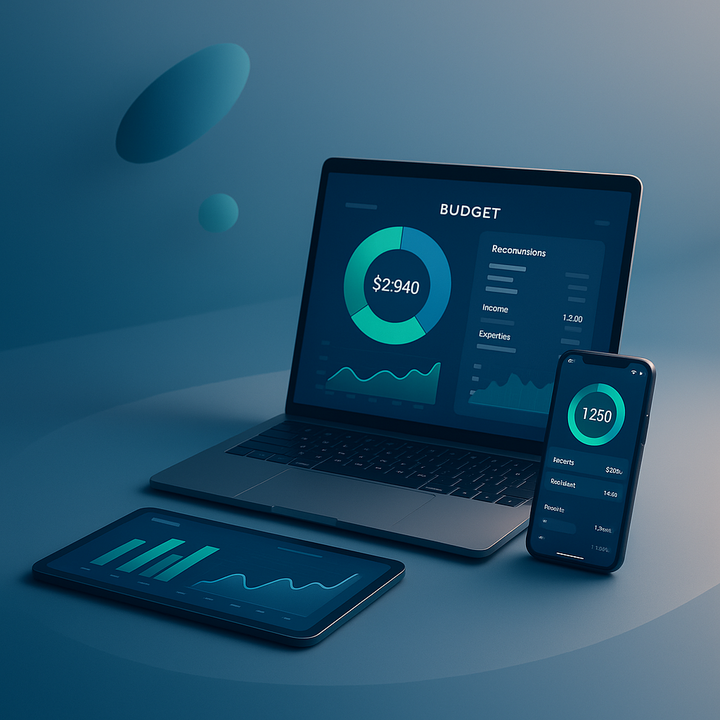
Introduction: The Relevance of an Efficient Personal Budget Today
An efficient personal budget is a core pillar of financial stability. It helps individuals manage income, expenses, and investments in today’s complex economic environment. As digital wallets and fintech platforms become more common, aligning your personal cash flow with your goals becomes crucial. Efficient personal budgeting empowers smarter decisions and builds financial resilience.
Moreover, increasing inflation, shifting employment models, and easy access to financial products make personal budgeting more important than ever. When you adopt an efficient personal budget mindset, you lay the foundation for sustainable financial well-being and long-term wealth.
What Is an Efficient Personal Budget?
An efficient personal budget offers much more than a record of spending. It is a dynamic, structured plan that tracks all income sources and expenses over time. The most successful budgets rely on proven frameworks, such as the widely recognized 50/30/20 rule. This method directs 50% of income to essential needs, 30% to discretionary wants, and 20% toward savings or investments. Although this framework provides structure, an efficient personal budget adapts to personal goals and life situations.
Flexibility remains key. For example, a family with fluctuating income might need to review allocations monthly. They can increase savings during high-earning periods and cut expenses during leaner times. In addition, automation helps. Using app notifications and scheduled transfers ensures consistent progress without constant manual effort.
Technology-driven budgets provide real-time dashboards and analytic tools. These give users insights into spending patterns, potential cost leaks, and rising trends on a monthly or even weekly basis.
The Role of an Efficient Personal Budget in Investing
For investors, an efficient personal budget bridges the gap between financial goals and investment decisions. When you allocate a portion of income specifically for investment, you position yourself to seize market opportunities and guard against financial shocks. Without disciplined budgeting, even the best investment strategies can fail due to cash-flow surprises or liquidity shortages.
For example, maintaining a strong emergency fund is crucial. This prevents you from having to liquidate investments during market downturns. A well-managed personal budget also allows for regular contributions to retirement accounts, enabling compounding returns over long periods.
Furthermore, as investors move through stages of life, a robust budget supports both early capital accumulation and sustainable withdrawal strategies during retirement.
Strategies to Craft an Efficient Personal Budget
Building an efficient personal budget calls for a methodical approach. Here are primary strategies that serve different financial circumstances:
1. Zero-Based Budgeting: This approach assigns every dollar of income a job. All expenses are justified each cycle, promoting high awareness of spending habits.
2. Envelope System: Whether physical or digital, funds are allocated to distinct categories (e.g., groceries, entertainment). This segmentation discourages overspending in any one area.
3. Automation: Program recurring bill payments and automatic savings transfers using bank or fintech apps. Automation reduces the risk of forgetfulness and maintains consistency in saving and investing.
4. Scenario Planning: Use hypothetical situations, such as loss of income or major emergency expenses, to ensure the budget is resilient and flexible.
5. Regular Reviews: Schedule monthly and annual budget reviews. Adapt allocations in response to changes in income, life circumstances, or financial objectives.
6. Synchronized Timeframes: Align payday, bill due dates, and investment contributions to maximize liquidity and avoid cash flow crunches.
A combination of these strategies creates a well-rounded, efficient personal budget. This budget can flex with life’s changes and support both daily needs and long-term ambitions.
Technological Tools for Efficient Personal Budgeting
Digital technology streamlines personal budgeting and provides customizable, data-rich experiences. Here are some ways technology enhances efficient personal budgeting:
– Budgeting Apps: Smartphone apps categorize expenses, alert you to overspending, and track savings progress.
– Integrated Dashboards: Combine data from multiple accounts for a complete snapshot of your finances, including savings, debt, and investments.
– AI-Powered Insights: Artificial intelligence predicts future expenses, identifies recurring charges, and suggests adjustments for greater efficiency.
– Cloud Syncing: Multiple users can access live updates. This is essential for families or business partners managing joint finances.
Beyond convenience, these technologies promote better financial awareness. They also enable smarter, faster adjustments to your personal budget.
Risks and Challenges in Managing an Efficient Personal Budget
Adopting an efficient personal budget comes with challenges. The main risks include:
– Excessive Rigidity: Overly strict budgets can cause frustration, making them hard to sustain long-term.
– Missing Non-Monthly Expenses: Costs like annual insurance premiums or home maintenance can derail a budget if not planned for.
– Automation Dependency: Relying solely on technology can allow errors or unauthorized activity to go unnoticed without regular checks.
– Behavioral Pitfalls: Optimism bias or reluctance to track small purchases can skew forecasting.
– Changing Life Circumstances: Life events and macroeconomic shifts often demand rapid budget adjustments. Not updating assumptions can result in financial setbacks.
To overcome these challenges, schedule routine budget audits and update your assumptions frequently. Educate yourself on behavioral finance concepts. An efficient personal budget should evolve, absorbing shocks and supporting resilience.
Financial Opportunities from Consistent Budgeting
Diligent use of an efficient personal budget opens new avenues for financial growth:
– Liquidity for Opportunities: Liquid assets provide flexibility to seize investment deals, real estate cycles, or stock market corrections.
– Pathway to Diversified Investments: Regular surpluses make it easier to invest in different assets, spreading out risk.
– Enhanced Creditworthiness: Predictable spending and steady debt reduction can lower interest costs and unlock better credit terms.
– Tax Optimization: Well-documented expenses simplify deduction claims and support longer-term planning for estate or retirement income.
– Negotiation Power: Clear financial insights help when negotiating major purchases, investment deals, or salary increases.
When managed consistently, an efficient personal budget strengthens habits that benefit all areas of financial life. This drives ongoing progress, adaptability, and confidence.
Case Study: Efficient Personal Budget for Investment Success
Jessica, a 34-year-old software engineer with steady employment, decided to overhaul her finances using an efficient personal budget. She adopted a zero-based system, assigning percentages of her income to essentials, debt payments, travel, and monthly investment contributions. Automation ensured transfers into her brokerage account happened just after each paycheck.
Whenever she reviewed her digital dashboard, Jessica spotted categories where she overspent. She shifted funds back to her investment allocation for the following month. She also ran scenario tests, imagining a sudden medical cost or job loss. Jessica adjusted her emergency fund accordingly, building three months’ expenses as a minimum goal.
As her investment portfolio grew, she added annual reviews to optimize tax efficiency. By tracking, reviewing, and adapting her plan, Jessica reduced stress, increased savings, and reached her goal of a diversified investment portfolio within five years. Her experience shows how an efficient personal budget can turn aspirations into real achievements.
Common Mistakes and How to Avoid Them
While striving for an efficient personal budget, many individuals repeat avoidable mistakes:
– Ignoring Small Expenses: Minor purchases add up. Track all spending, not just large bills.
– Not Including Irregular Costs: Plan for annual or seasonal expenses to avoid surprise deficits.
– Delaying Adjustments: Update your budget as soon as life circumstances or goals change.
– Failing to Automate: If forgetfulness impacts bill payments or savings, use technology for automation.
– Overlooking Reviews: Regular reviews prevent budget drift and allow reallocation toward your highest priorities.
By recognizing these pitfalls, you maintain a healthier relationship with your personal budget and keep it driving progress.
Efficient Personal Budget and Long-Term Wealth Building
At its core, disciplined allocation through an efficient personal budget drives wealth building. Repeated surplus generation, effective risk management, and capital deployment all start with controlling cash flow. As you embrace new budgeting technologies, you gain access to data, trends, and opportunities. This makes managing finances less tedious and more actionable every day.
Moreover, teaching personal budgeting skills to family members, especially younger generations, strengthens family financial stability. Sharing methods, reviewing progress as a household, and setting collective goals reinforce positive habits and foster collaborative growth.
Conclusion
An efficient personal budget empowers you to turn financial intentions into strategy and results. It is more than expense tracking. It is the key to controlling cash flow, minimizing risk, and unlocking opportunities for wealth creation and security. With strategic planning, the right technology, and regular reviews, anyone can craft a personal budget tailored to their values and goals.
Consistent education deepens financial literacy, helping everyone adapt to changing circumstances and optimize resources. For more in-depth guidance and insights, explore our dedicated Financial Education section.