

Introduction: The Increasing Importance of Innovative Finance Apps
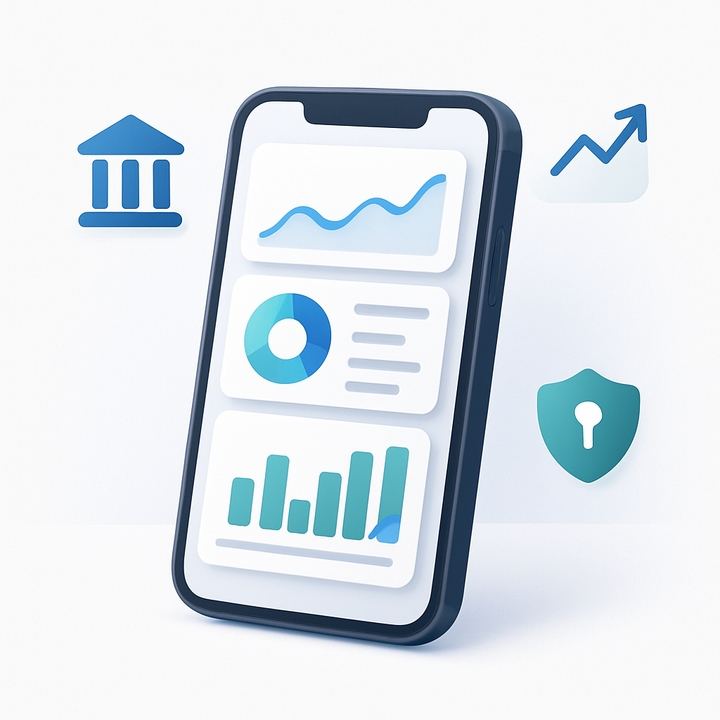
Innovative finance apps are now at the forefront of personal financial management. Economic volatility, persistent inflation, and the ubiquity of digital banking have heightened the need for precise, real-time financial oversight. People want up-to-date insights on their spending, saving, and investing habits. Innovative finance apps meet these evolving demands by reshaping how individuals organize, allocate, and plan their finances. With key features like intuitive dashboards and secure data connections, these apps establish a new norm. Their widespread adoption signals rising expectations for smarter, more integrated financial decisions and tools that facilitate long-term stability and growth.
Defining Innovative Finance Apps and Their Core Features
Innovative finance apps are advanced software tools designed to centralize and simplify financial management. Unlike basic spreadsheets, these apps leverage machine learning algorithms, open banking APIs, and sophisticated analytics to deliver actionable insights. Automatic transaction categorization, multi-account aggregation, and real-time budgeting are now standard. Many apps provide spending analysis, savings automation, and personalized investment tracking. Robust security protocols and data privacy policies remain at the core, giving users confidence as they sync accounts from various banks and brokerages. Additionally, regulatory changes, like PSD2 in Europe and open banking worldwide, have made seamless synchronization across financial institutions possible. These innovations grant everyday users the kind of detailed oversight that was once exclusive to institutional investors, empowering them with tools for smarter wealth management.
The Importance of Innovative Finance Apps for Investors
For investors, innovative finance apps are invaluable beyond simple budgeting. By aggregating balances and transactions from checking, brokerage, and retirement accounts, these apps allow users to monitor their net worth and asset allocation from one place. This unified perspective enables investors to identify portfolio inefficiencies, spot underperforming assets, and strategize reallocations in real time. Many apps also incorporate tax optimization, capital gains projections, and scenario planning features—functions crucial for advanced, long-term wealth building. As investments spread across diverse platforms and asset classes, consolidated reporting helps users make informed decisions swiftly, especially in volatile markets. The growing sophistication of innovative finance apps turns them into a core component of effective portfolio management for investors who value both integration and control.
Strategies to Maximize the Value of Finance Apps
Strategic use of innovative finance apps goes well beyond tracking daily expenses. To maximize these apps’ value, first choose a platform with strong security features and compatibility with all major financial service providers you use. Set up and customize categorization rules for your income and expenses to automate organization. Regularly review budgets and tailor them as your life evolves—this keeps your goals and spending aligned. For investors, connecting all accounts, including brokerage and retirement, allows streamlined rebalancing and risk analysis. Activate automated features such as regular transfers to savings or investment accounts to capitalize on compounding returns. Analyze monthly spending trends, spot hidden fees, and renegotiate terms with service providers when possible. Utilize scenario planning options to anticipate financial shocks. By regularly auditing your settings and staying proactive with the app’s recommendations, you can both expand opportunities and manage risks effectively.
Technological Innovations Powering Finance Apps
Advanced technologies drive the continued evolution of innovative finance apps. Artificial intelligence enables real-time categorization of transactions, personalized financial insights, and instant fraud detection. Predictive analytics improves forecasts, identifying spending trends to recommend savings or investment strategies before potential issues arise. Open banking APIs let apps access and securely manage information from diverse financial service providers, aggregating data in a seamless user experience. Blockchain is gaining interest for its potential to provide secure, decentralized records and automate complex agreements through smart contracts. Moreover, some applications are beginning to offer voice-enabled navigation and natural language processing, simplifying how users interact and access financial data. As these technologies converge, finance apps are becoming faster, more responsive, and increasingly secure while offering unprecedented levels of insight and convenience.
Risks and Challenges Associated with Innovative Finance Apps
Despite their benefits, innovative finance apps present certain risks and pitfalls. Chief among these are potential security vulnerabilities, especially in apps that connect to third-party providers. If integration is not secure, sensitive financial information may be exposed to cyberattacks. Inconsistent data synchronization or erroneous transaction categorization can produce misleading reports, resulting in poor decisions. Additionally, users should exercise caution when considering investment tips or recommendations embedded in the apps. Not all advice is sourced from licensed professionals, which can expose users to unwanted or excessive risk. Regulatory protections can vary depending on the country or jurisdiction, so it is wise to choose apps compliant with local laws. Another challenge lies in over-automation: heavy reliance on apps might erode users’ financial literacy, as manual engagement with their finances diminishes. To mitigate these risks, always prioritize apps with rigorous security standards, transparent privacy policies, and regular third-party security audits.
Opportunities and Emerging Trends in the FinTech App Landscape
FinTech, driven by demand for smarter personal finance, continues to grow faster than ever. A leading trend is the integration of ESG (Environmental, Social, and Governance) analytics, reflecting the rise of responsible investing. Innovative finance apps increasingly offer ESG scores alongside traditional investment analysis, helping users align portfolios with their values. The rise of super-apps that bundle banking, investment, retirement, and insurance services within a single interface is another major trend. This consolidation simplifies user experience and expands financial access, especially in markets where mobile phones are the primary platform. Embedded finance models—where apps facilitate credit, payments, or insurance directly—bring new solutions to previously underbanked regions. Strategic partnerships between established banks and innovative FinTech players foster faster, broader product launches. As these developments redefine the market, users can expect highly customizable experiences that adapt to individual needs and anticipate future goals through intelligent automation and predictive analytics.
Educating Users: Building Financial Literacy with Innovative Apps
Many innovative finance apps now offer educational components to help users build financial literacy as they manage money. In-app tutorials, interactive dashboards, and simulation tools encourage learning by doing, empowering users to understand not only where their money goes but also why certain strategies produce better results. Some platforms provide access to financial planning modules, calculators for forecasting retirement needs, and curated content tailored to users’ financial goals. As a result, people become more confident in managing their investments and everyday spending.
Global Impact: Innovative Finance Apps and Financial Inclusion
Innovative finance apps are making a significant impact on global financial inclusion. In regions where brick-and-mortar banks are less accessible, mobile-first finance apps offer basic banking, payment, and savings options to underserved populations. These solutions typically require minimal identification to get started, removing traditional barriers for the unbanked. By automating savings, facilitating micro-investing, and delivering real-time educational prompts, such apps help close the gap between established economies and emerging markets. The democratization of access through mobile devices lets more people join the financial mainstream.
Preparing for the Future: How to Select and Safely Use Innovative Finance Apps
With abundant apps in the marketplace, making the right choice is critical. Start by seeking platforms with comprehensive customer support, transparent fee structures, and positive security track records. Review independent ratings and user reviews to gauge reliability and responsiveness. Regularly update passwords and enable multi-factor authentication to safeguard accounts. Familiarize yourself with backup and recovery procedures in case you lose device access. Periodically re-evaluate your app choices as your needs and the technology change. By taking responsibility for security and education, users make the most of innovative finance apps while protecting their assets and privacy.
Conclusion: The Role of Innovative Finance Apps in Modern Wealth Management
Innovative finance apps are transforming personal money management by combining advanced technologies with intuitive, user-focused design. They offer real-time oversight, streamline complex tasks, and create new opportunities for growth and inclusion. When users approach these tools strategically—staying informed, maintaining oversight, and continually learning—they can fully benefit from innovation while managing inherent risks. For those interested in ongoing developments and deeper analysis, visit FinTech and Financial Innovation for more expert insights.