

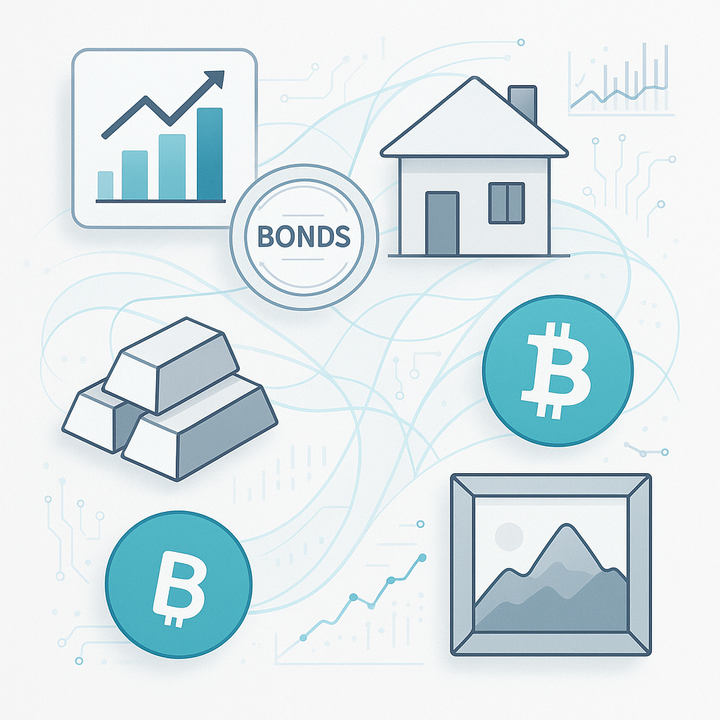
Introduction: The Centrality of Intelligent Diversification Today
Intelligent diversification is now central for investors facing today’s turbulent markets. As economic instability grows and technology advances, intelligent diversification is not just optional—it’s essential. Investors recognize that traditional diversification strategies need updating to compete in an environment marked by rapid technological shifts, shifting investor behavior, and interconnected markets. Therefore, intelligent diversification empowers portfolio construction that manages risk and seizes new opportunities.
From macroeconomic shocks to the swift emergence of innovative asset classes, understanding intelligent diversification is key. It helps investors adapt to this dynamic landscape and stay ahead of market changes.
Understanding Intelligent Diversification
Intelligent diversification means applying analytical and data-driven tools to allocate capital effectively across many asset classes, regions, and sectors. Unlike basic diversification, where investors simply spread assets among different categories, intelligent diversification uses technology, real-time market analysis, and insights from behavioral finance to gain an edge. Investors no longer rely solely on equities, bonds, or simple mixes. Instead, they leverage advanced portfolio theory, integrating traditional assets, alternatives, and even digital instruments.
Artificial intelligence and machine learning help pinpoint risks, optimize allocations, and adjust portfolios to capture new growth. Ultimately, intelligent diversification allows for more precise management of both upside potential and downside risks. As a result, investment strategies become smarter and more adaptive to change.
The Key Drivers: Why Intelligent Diversification Matters More Than Ever
Modern markets are competitive, volatile, and deeply interconnected. In this environment, intelligent diversification is crucial. Simple diversification may fail during cross-asset sell-offs or periods of extreme market stress. Correlations between asset classes now fluctuate, often unexpectedly.
For example, bonds and equities, traditionally considered opposing hedges, increasingly move together in times of crisis. This erosion of classic diversification logic means that investors must turn to more sophisticated approaches. Intelligent diversification uses quantitative models and alternative investments—such as infrastructure, private equity, and digital assets—to help stabilize returns even as market dynamics evolve.
Studies consistently show that intelligently diversified portfolios achieve more stable long-term results. They also remain resilient in the face of macroeconomic events, inflation, and global uncertainty.
Technological Innovations Empowering Diversification
Technology is a game changer in intelligent diversification. Artificial intelligence (AI) and big data enable better risk assessment and real-time monitoring of market conditions. Robo-advisors—digital platforms using sophisticated algorithms—automatically rebalance portfolios. They ensure asset allocations align with personal goals as things change.
Fintech platforms provide access to a vast array of alternative investments such as fractional real estate, peer-to-peer lending, and even digital art. Blockchain and digital assets, powered by decentralized technology, have added completely new asset classes to the mix. These developments challenge traditional ideas about portfolio diversification.
With these technological advances, investors gain unprecedented visibility and control. This makes it easier to realize the benefits of intelligent diversification in both domestic and international portfolios. Furthermore, portfolio simulation tools allow for scenario analysis. Investors can see potential outcomes and adjust strategies proactively.
Expanding the Investable Universe: Globalization and New Assets
Global markets have become accessible for individual investors seeking intelligent diversification. The growth of exchange-traded funds (ETFs) and the democratization of global investing offer opportunities that once belonged only to large institutions. Investors now consider opportunities in emerging markets, frontier economies, and alternative assets such as private credit, infrastructure, commodities, and digital currencies.
These new investment vehicles often have lower correlations to developed market stocks and bonds. This provides potent diversification benefits. However, globalization brings complexities like currency risk, different regulations, and geopolitical uncertainty. Investors must navigate factors such as varying interest rates, regulatory environments, and regional market psychology.
Specialized funds focused on ESG criteria, climate solutions, technology, or even specific emerging economies offer tools to diversify. These options help align investments with personal values and evolving risks. Tactical exposure to foreign currencies, international real estate, and thematic sectors—like cybersecurity or clean energy—also empowers portfolios. This approach helps weather volatility and capture new global growth trends.
Core Practices of Intelligent Diversification
Successful intelligent diversification starts with robust asset allocation. Investors should formally define their investment goals, time horizons, risk tolerance, and liquidity needs before allocating capital. Core portfolio construction generally blends stocks, bonds, and cash equivalents with alternative assets for greater resilience.
Factor-based investing—targeting investment characteristics such as momentum, value, size, or low volatility—adds a modern dimension to diversification. By combining traditional and alternative investments, portfolios can reduce risks unique to each class, smooth returns, and capitalize on shifting market leadership. Real asset exposure through commodities, property, or infrastructure can hedge against inflation and offset traditional asset volatility.
Systematic rebalancing is vital. By periodically readjusting allocations back to target weights, investors remain disciplined and control unintentional risk drift. In addition, technology-enabled platforms and digital portfolio tools provide investors with the capability to track positions, simulate changes, and reinforce consistent decision-making. Intelligent diversification means remaining flexible, reevaluating allocations as new data emerges, and embracing best practices as markets evolve.
Role of Alternative Investments
Alternative investments play a growing role in intelligent diversification strategies. Hedge funds, private equity, private credit, infrastructure, venture capital, and digital assets are now included more often in both institutional and individual portfolios. These investments often perform independently of traditional markets, providing a buffer against equity or fixed income downturns.
While alternatives may introduce illiquidity or specialized risks, their returns and risk profiles can be fundamentally different and uncorrelated from standard assets. This makes them potent additions for intelligent diversification. Emerging asset classes, such as cryptocurrencies, non-fungible tokens (NFTs), and decentralized finance (DeFi) protocols, require careful research and appropriate position sizing. However, they can offer outsized rewards in a well-crafted, risk-aware portfolio.
Furthermore, commodities like gold, agricultural products, or energy futures are proven hedges during inflationary periods or when systemic volatility strikes.
Risks Associated with Intelligent Diversification
No investment strategy eliminates all risks. Intelligent diversification aims to mitigate risk through careful selection, but investors still face challenges. For instance, over-diversifying can dilute returns and make portfolios harder to manage.
Some assets, like cryptocurrencies or illiquid private investments, may be sensitive to market shocks or regulatory actions. Correlations can break down suddenly during global crises, reducing the effectiveness of carefully constructed allocations. Moreover, managing new asset types requires up-to-date knowledge. Changing regulations and market structures can expose investors to unfamiliar risks.
Intelligent diversification relies on continuous monitoring, frequent reassessment, and willingness to adapt allocations dynamically. Therefore, staying educated on evolving market technologies, strategies, and risk management tools is crucial to maintain a true diversification advantage.
Best Practices for Applying Intelligent Diversification
To maximize the benefits of intelligent diversification, investors should start by selecting a strategic mix of traditional and alternative assets. This mix must be tailored specifically to their objectives. Regular evaluation and rebalancing keep allocations aligned as personal goals and market realities change.
Leveraging tools like digital advisors, portfolio simulators, and scenario planning software helps test and refine strategies in shifting markets. It is also wise to diversify across dimensions: asset class, industry sector, geographic region, market cap, and style factors (such as growth, value, or size). Smart investors avoid home-country bias and reach into global opportunities without overcommitting to any one region or sector.
Collaborating with professional advisors or using automated digital platforms can bring discipline and emotional neutrality to the rebalancing process. Above all, a clear understanding of risk tolerance and the ability to adapt as conditions change are the bedrock of successful intelligent diversification.
The Future of Intelligent Diversification: Adapting to Tomorrow’s Markets
Looking forward, intelligent diversification will remain vital as financial innovation speeds up. We can expect further integration of AI, blockchain, and quantum computing into investment processes. Data-driven, adaptive approaches and personalized investment platforms will empower investors to construct truly resilient, diversified portfolios.
As market shocks increase in frequency and technology introduces new asset classes and risks, adaptive, intelligent diversification helps investors respond with agility and foresight. Heightened focus on sustainability, shifting demographics, and digital disruption ensures that intelligent diversification will continue to evolve. This approach will balance risk and opportunity for both institutional and individual investors.
Conclusion: Navigating Modern Challenges with Intelligent Diversification
Investors who embrace intelligent diversification are better equipped to manage volatility and harness emerging opportunities. Staying flexible, informed, and focused on risk-adjusted returns remains the best way to build robust portfolios for the modern era. As technologies, new asset classes, and global markets evolve, intelligent diversification will be at the heart of effective investment strategies moving forward. For expanded insights, methodologies, and case studies, explore our comprehensive resource section at Investing and Diversification.