

Introduction: The Relevance of Efficient Personal Budgeting Today
Efficient personal budgeting has never been more vital. With the world’s economies subject to constant fluctuation and digital technologies transforming financial services, individuals face unprecedented complexity in money management. Inflation affects everyday costs, while innovations accelerate the pace at which new financial products emerge. Thus, budget planning stands out as the most reliable way to maintain financial stability and capitalize on new opportunities. Online banking, financial planning applications, and user-friendly investment platforms make personal finance more accessible, but they also demand greater structure and discipline. Efficient personal budgeting is the cornerstone of sustainable consumption and the primary mechanism for accumulating wealth, making it fundamental to achieving both short-term and long-term financial goals. As these economic and technological shifts persist, individuals who master personal budgeting gain the confidence to make informed decisions in dynamic markets.
What Is Efficient Personal Budgeting?
At its core, efficient personal budgeting involves creating a detailed plan that outlines expected income and expenditures over a set period—usually one month. This process serves as a financial roadmap, bringing clarity to how money enters and exits your accounts. Whether you prefer traditional spreadsheets, pen-and-paper, or innovative apps, the basics remain the same: budgets must account for all sources of income and every category of expense. Efficient personal budgeting incorporates not only fixed costs such as rent and insurance but also variable and discretionary expenses like groceries and entertainment. By tracking both regular and occasional expenditures, you become more aware of patterns and can proactively shift spending habits. More than just a tracking tool, a budget is a framework for prioritizing objectives such as building emergency funds, paying down debt, or investing. Through regular reviews and updates, efficient personal budgeting transforms abstract financial goals into actionable steps, providing both clarity and the discipline necessary for strong money management.
The Importance of Efficient Personal Budgeting for Investors
For anyone considering investment, efficient personal budgeting is especially critical. Investors must strike a delicate balance between covering their regular living expenses and maximizing the funds available for asset growth. Without disciplined spending, it’s easy to overextend financially, putting both liquidity and essential needs at risk. Efficient personal budgeting quantifies exactly how much you can allocate to investments each month while preserving the stability of your core budget. This structured approach makes it easier to set—and meet—savings targets, regularly contribute to retirement accounts, and pursue a diversified investment strategy. In volatile markets, a well-organized budget helps guard against rash decisions that could otherwise derail long-term plans. Moreover, efficient budgeting supports a thoughtful assessment of risk tolerance, aids in managing both debt and cash flow, and provides a foundation for leveraging opportunities such as real estate ventures or margin-based investments. Ultimately, investors who successfully align their budgets with their goals stand a better chance of weathering downturns and seizing opportunities when they arise.
Practical Strategies for Efficient Personal Budgeting
To build and maintain an efficient personal budget, start with a thorough evaluation of all income streams. Include salaries, freelance revenue, dividends, and side hustles to ensure comprehensive coverage. Next, classify your expenses into key categories: essentials (like housing, transportation, and medical insurance), variables (such as groceries or commuting), and discretionary expenses (including dining out or entertainment). A popular rule of thumb is the 50/30/20 guideline: devote 50% of income to needs, 30% to wants, and 20% to savings and investing. For those seeking even greater control, zero-based budgeting—allocating every dollar to a specific job each month—forces mindful, intentional financial decisions.
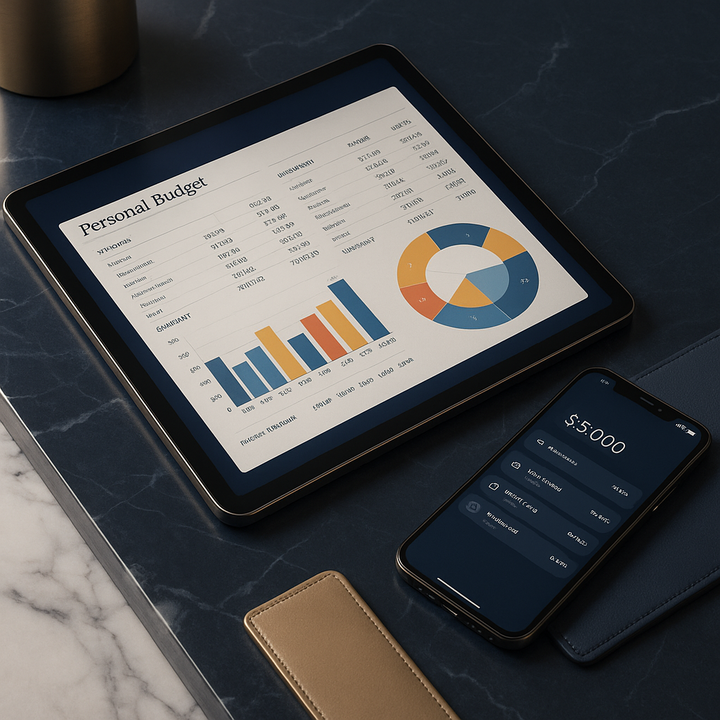
Modern digital solutions make efficient personal budgeting more manageable than ever before. Budgeting apps can automate expense categorization, prompt bill payments, and alert you to overages. Set a schedule for periodic reviews; monthly or quarterly check-ins help account for income fluctuations, inflation, and evolving personal circumstances. Efficient personal budgeting also considers seasonality, large infrequent expenses, and future obligations, smoothing out cash flow and avoiding budget shortfalls. Additional practices like tracking receipts, digitizing documents, and segmenting expenses by category can bolster budgeting precision. It’s crucial to adapt and refine your approach as your financial picture evolves, ensuring that your budget remains a useful planning tool rather than a static record.
Digital Tools and Technology’s Role in Efficient Personal Budgeting
Technological advances have revolutionized the landscape of efficient personal budgeting. Mobile apps, cloud-based software, and online platforms provide real-time visibility into your finances by syncing directly with your checking, savings, and investment accounts. Today’s best tools do much more than merely record transactions. Artificial intelligence and machine learning help identify spending trends and flag anomalies. Open banking technology allows safe, consolidated views of all assets and obligations, empowering you to make data-driven choices. Investors can now connect budgeting apps with automated portfolio management, set sophisticated financial goals, and even automate periodic rebalancing. Some platforms notify you of forecasted shortfalls before they occur, reducing unpleasant surprises.
In terms of security, encrypted data exchange and biometric authentication are becoming industry standards. However, technology’s real value lies in its ability to minimize human error, streamline manual processes, and provide actionable insights for both daily management and strategic planning. As these tools evolve, their importance in efficient personal budgeting will only continue to grow—enabling smarter, faster adjustments that keep your finances on track with minimal stress.
Risk Management and Common Pitfalls in Efficient Personal Budgeting
While efficient personal budgeting offers many benefits, it’s not without pitfalls. First, budgets that are overly rigid can create frustration or prompt abandonment when unplanned expenses arise. Flexibility is essential, as life is unpredictable and new priorities occasionally surface. Failing to account for less predictable expenses—like annual insurance premiums or auto repairs—can regularly cause budget shortfalls. Behavioral biases, including optimism bias or wishful thinking, may lead you to underestimate regular expenses or ignore recurring leaks. Overdependence on digital tools without periodic manual checks often allows misclassifications or overlooked cash transactions to distort budget accuracy.
Neglecting to update your budget as your circumstances change can also cause it to become obsolete, limiting your ability to plan for new goals or navigate changing market conditions. For investors, not distinguishing between essential spending and speculative purchasing can undermine liquidity and jeopardize long-term returns. To avoid these pitfalls, build flexibility and contingency allowances into your budget, review your actual versus planned spending often, and document all updates. The goal is to keep your budget responsive—serving both as a planning guide and a guardrail against financial missteps.
Opportunities Created by Efficient Personal Budgeting
Adopting efficient personal budgeting creates tangible opportunities for wealth creation, security, and peace of mind. When spending habits are consistently monitored and optimized, individuals uncover surplus funds that can accelerate debt reduction or drive higher investment returns. Improved financial credibility—demonstrated through transparent budgets—strengthens your negotiating position when seeking favorable interest rates, lower insurance premiums, or more competitive investment services. For investors, a robust and clear budget enhances cash flow management, improves tactical asset allocation, and supports strategic decisions such as taking advantage of market dips with lump-sum investments or employing dollar-cost averaging during periods of volatility.
Efficient personal budgeting also makes it easier to set clear priorities and achieve significant milestones, from homeownership and entrepreneurship to travel and education. The discipline and clarity derived from budgeting foster resilience, helping individuals to persist with contributions during economic downturns rather than succumbing to panic-selling. In short, efficient budgeting is a multiplier: it sharpens awareness, boosts psychological fortitude, and positions you to capitalize on opportunities that may otherwise go unnoticed.
Maintaining Discipline and Flexibility in Efficient Personal Budgeting
Success in efficient personal budgeting hinges on achieving a balance between structure and adaptability. While discipline establishes the foundation for long-term progress, life often brings unforeseen events requiring agile responses. Maintaining a flexible mindset allows you to adjust allocations when new needs or goals appear—such as unexpected medical bills, job transitions, or family milestones—without derailing your underlying plan. Scheduled budget reviews act as effective checkpoints, prompting a reassessment of priorities and enabling swift responses to economic shifts, changes in household size, or unexpected windfalls. Embracing both discipline and adaptability ensures that your budget remains a living document, evolving to match your life’s changing landscape.
The Enduring Value of Financial Education in Budget Mastery
Ultimately, efficient personal budgeting is not just about numbers; it reflects a commitment to lifelong financial literacy and adaptability. Individuals who continuously expand their knowledge—through online courses, financial blogs, or professional advice—are better prepared to optimize their budgets in changing environments. Financial education enables the development of more sophisticated investment strategies, helps decipher complex products, and sharpens risk management skills. By actively seeking out new insights and refining their approach, budgeters build a resilient toolkit capable of supporting prosperity over decades. Whether you’re an aspiring investor or simply looking to improve your day-to-day management, embracing the principles of efficient personal budgeting backed by ongoing financial education is essential for lasting success.
Conclusion: Build Your Financial Future with Efficient Personal Budgeting
Mastering efficient personal budgeting provides a strong foundation for achieving and sustaining long-term financial well-being. It brings greater clarity, discipline, and strategic insight, allowing you to confidently pursue both present and future goals. Investors especially benefit by optimizing portfolio contributions, preserving liquidity, and adapting to unpredictable markets. As financial technology and economic conditions evolve, a commitment to efficient budgeting ensures ongoing readiness and adaptability.
For more expert guidance and strategies on managing your money, explore our Financial Education section today.